Voting
How to vote in India: a step-by-step guide to polling day
What happens at a polling station, from the voter list check and the inked finger to the EVM button and the VVPAT slip, and which 12 photo IDs the Election Commission accepts.
The practical questions behind the results: who can vote, what happens at the polling station, how the machines work and how a winner is decided. Each guide links to the official source it is based on.
What happens at a polling station, from the voter list check and the inked finger to the EVM button and the VVPAT slip, and which 12 photo IDs the Election Commission accepts.
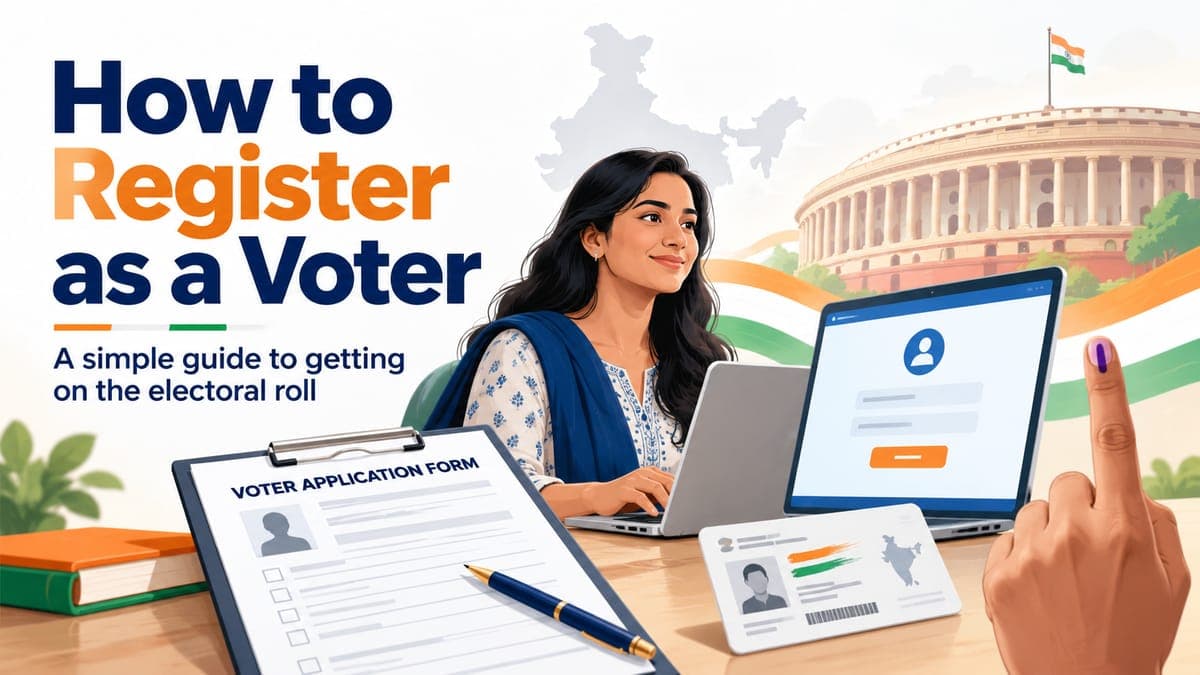
Who can be on the electoral roll, the four qualifying dates, how to apply online with Form 6 or offline through your Booth Level Officer, and how to check your name.
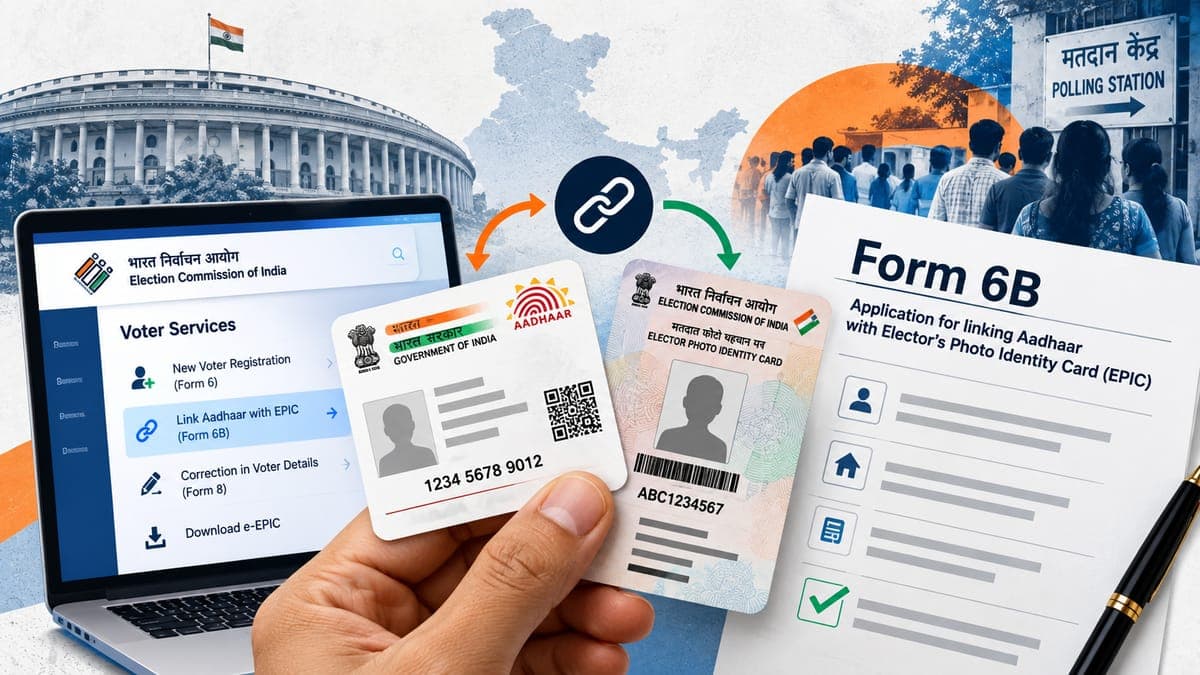
Linking Aadhaar to the electoral roll through Form 6B is voluntary. What the 2022 rules and the Election Commission told the Supreme Court in 2023, and what happens if you do not link.
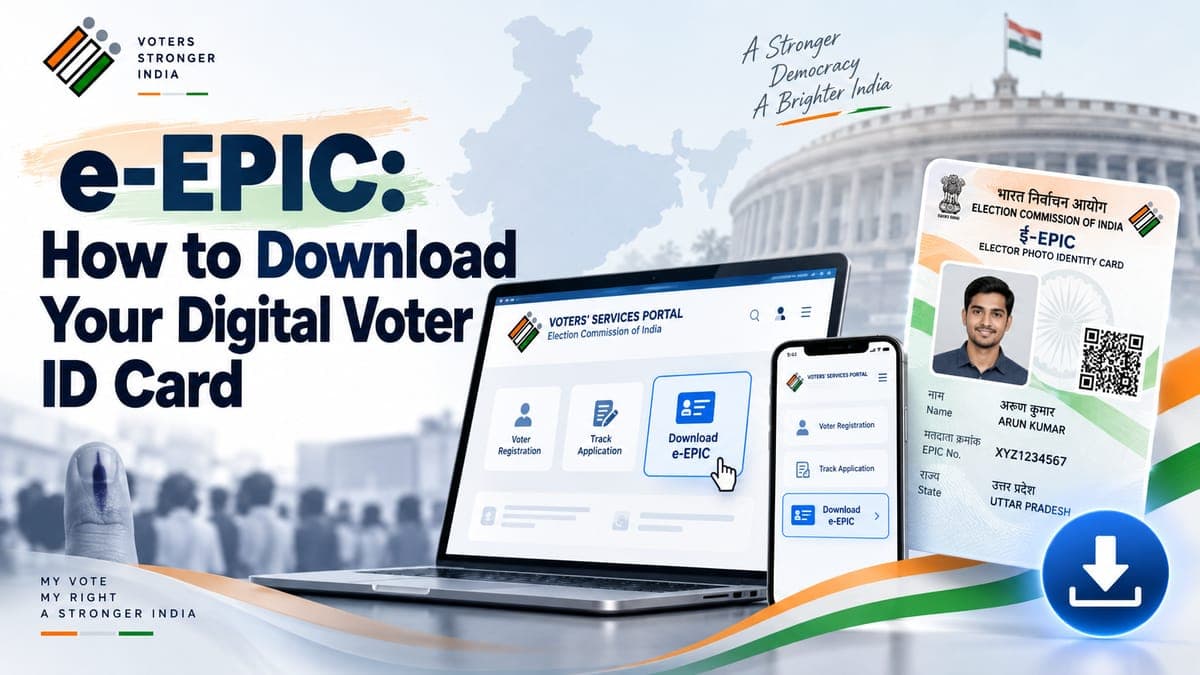
What an e-EPIC is, who is eligible, the steps to download it from the Voter Portal or Voter Helpline App, and what to do if your mobile number is not registered.
The three parts of an Electronic Voting Machine, how many candidates and votes it can handle, how it is tested before polling, and the history of EVMs in India from 1982.
NOTA, "None of the Above", became a button on Indian voting machines after a 2013 Supreme Court ruling. What the Court decided, where the button sits, and what it does not do.
How the Control Unit tallies votes, when VVPAT paper slips are counted, the Supreme Court rule of five polling stations per assembly segment, and how the winner is decided.
The Model Code of Conduct comes into force when the Election Commission announces the schedule and applies until the election is complete. What it covers for parties, governments and polling day.
The Governor appoints the Chief Minister, but the Assembly decides who can stay. What Article 164 says, how a hung Assembly is handled, and what the Supreme Court has said about floor tests.
The President appoints the Prime Minister under Article 75, but the Lok Sabha decides who can stay. Why 272 matters, what happens in a hung Parliament, and what is convention rather than law.
Size, how members are chosen, term, minimum age and who can dissolve each House, side by side, with what the Constitution says about Money Bills and the state Legislative Council.
When an MP or MLA is disqualified for defecting, the two-thirds merger rule, why the Speaker decides, and what the Supreme Court has said about delays.
A by-election fills a seat that falls vacant between general elections. The six-month rule in section 151A, when it does not apply, and what happens when a winner holds two seats.
Who elects the Rajya Sabha, why the ballot is open, how the single transferable vote and the quota work, and why NOTA is not allowed.
What Article 324 gives the Election Commission, how the Chief Election Commissioner is appointed and removed, what the 2023 law changed, and what is pending before the Supreme Court.
Eligibility to contest, the security deposit, proposers, scrutiny, and the affidavit on criminal cases, assets and education that the Supreme Court made compulsory.
Who votes, who is elected and who conducts each election in India, from the Lok Sabha and state Assemblies to the Rajya Sabha, the President, the Vice-President, by-elections and local bodies.
What delimitation means, what the Constitution says about seats and boundaries, why the number of Lok Sabha seats per state has been frozen at the 1971 census, and what has happened in 2026.
What a reserved constituency is, who can contest and who can vote, how reserved seats are chosen, how many there are in the Lok Sabha, and when the reservation ends unless extended.
How the Lok Sabha and Assemblies use first past the post, where India uses proportional representation instead, and what the 2019 and 2024 results show about the gap between votes and seats.
Janadesh Online is independent and is not affiliated with the Election Commission of India. These guides summarise the Commission’s published material; for the authoritative and current rules, follow the source links at the end of each guide.
 Why the Constitution Matters: Selected SpeechesJustice DY ChandrachudView on Amazon →
 Politics, Policy and Predictions: Views from the Front Row of ParliamentDerek O'BrienView on Amazon →
 The India Way: Strategies for an Uncertain WorldS. JaishankarView on Amazon →
 Narendra Damodardas Modi: No More ApologistVivekanand JhaView on Amazon →
 India After Gandhi: A HistoryRamachandra GuhaView on Amazon →
 A Nation of IdiotsDaksh TyagiView on Amazon →
As an Amazon Associate, Janadesh Online earns from qualifying purchases.